
Men often make time for work deadlines, training, family responsibilities and travel before making time for personal recovery. Massage offers a structured opportunity to slow down and pay attention to how the body feels. Some people book a session after exercise, while others use massage as part of an occasional or regular relaxation routine.
Research suggests that massage may be useful for relaxation and short-term relief of some types of discomfort, but the quality and strength of evidence differ by condition. It is therefore more accurate to describe massage as a supportive wellness practice rather than a cure or replacement for medical treatment. This guide explains the realistic benefits of massage for men, how to choose a massage style and when medical advice is important.
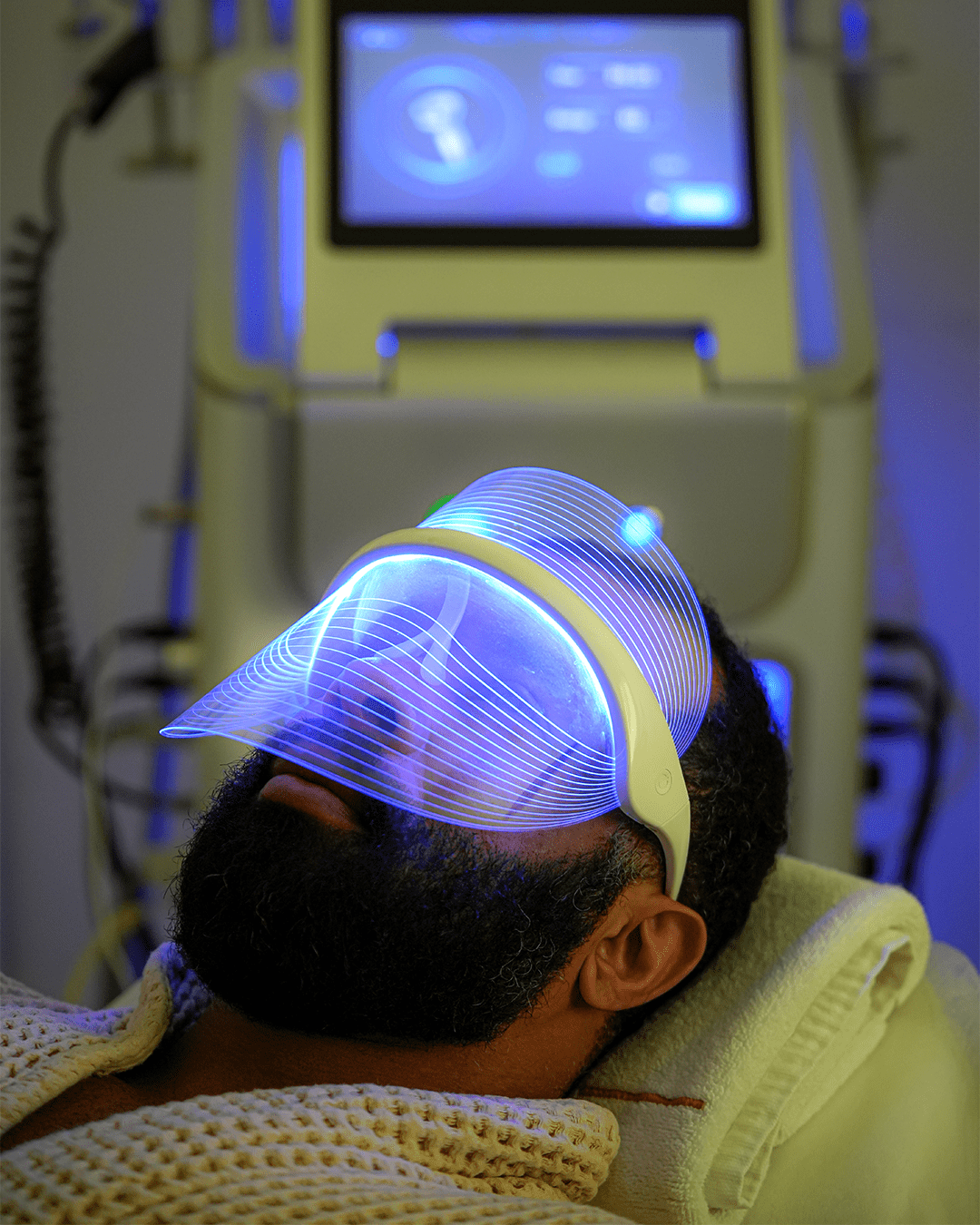
8 Potential Benefits of Massage for Men
Individual experiences vary according to the massage style, session length, pressure, the therapist’s technique and the reason for booking. The following benefits are best understood as possible wellness outcomes rather than promises.
1. Supports Relaxation
A massage appointment creates dedicated time away from notifications, meetings and daily tasks. The quiet setting and hands-on treatment may help some men feel calmer during and shortly after the session.
2. May Reduce Perceived Stress
Massage may support a temporary sense of reduced stress and improved relaxation. It is not a treatment for an anxiety disorder, depression or another mental-health condition.
3. May Ease Muscle Soreness
Some active men find massage comfortable after training or sport. It may temporarily reduce the feeling of soreness, although it should not be used to hide a suspected injury.
4. Helps Address Everyday Tightness
Long hours at a desk, driving or standing can leave certain areas feeling tight. A therapist can focus on the shoulders, upper back, legs or another comfortable area you identify.
5. May Support Short-Term Mobility
Some massage styles combine pressure with movement or stretching. This may leave certain people feeling temporarily less stiff, but persistent restriction should be medically assessed.
6. Creates a Wind-Down Routine
An evening massage may help some guests slow down before bedtime. It should not be presented as a cure for insomnia or an ongoing sleep disorder.
7. Builds Body Awareness
A massage can make you more aware of areas that consistently feel tight or sensitive. New, severe or unexplained symptoms should be discussed with a healthcare professional.
8. Encourages Planned Self-Care
Scheduling a session can protect time for rest in the same way that men schedule training, grooming or other personal routines.
How Massage Can Fit an Active Man’s Routine
Gym training, running, cycling, football and physically demanding jobs place different loads on the body. A professional massage session can be used as a comfort and relaxation practice around an active routine, but it is not a substitute for appropriate warm-ups, gradual training, rest, hydration, nutrition or medical assessment.
When booking after exercise, tell the therapist what activity you completed, which areas feel tired and how much pressure you prefer. A massage should feel tolerable. Sharp pain, numbness, sudden weakness, major swelling or pain following a significant injury are reasons to stop and seek medical evaluation rather than requesting deeper pressure.
Massage for Men Who Sit, Drive or Travel Frequently
Office work and driving can involve extended periods in one position. Some men notice temporary tightness around the shoulders, neck, hips or lower back. Massage may provide a relaxing break and short-term comfort, particularly when combined with sensible movement breaks, an appropriate workstation and regular physical activity.
Frequent travellers may also value the quiet routine after a long journey. However, a painful, hot or significantly swollen leg—especially after prolonged travel—requires urgent medical assessment because massage is not appropriate when a blood clot is suspected.
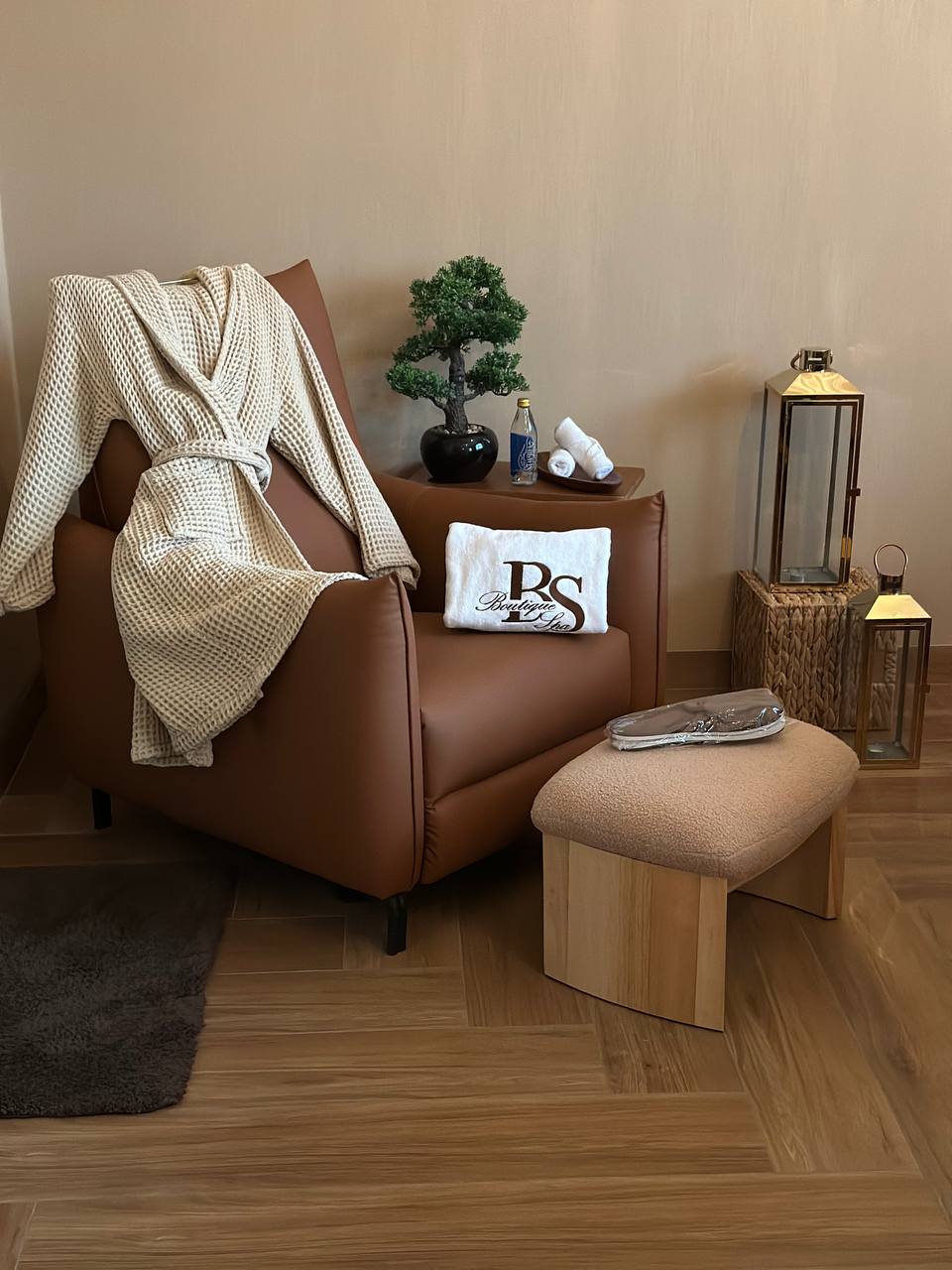
Which Type of Massage May Suit Your Goal?
There is no single “best” massage for every man. The right choice depends on whether you prefer a gentle, active, warm or targeted experience. Use this table as a practical starting point and discuss your preferences when booking.
| Massage type | Often chosen for | Typical experience | Important note |
|---|---|---|---|
| Swedish massage | General relaxation | Flowing movements with adjustable pressure | Suitable when you prefer a calmer pace |
| Sports massage | Active routines and focused areas | More targeted work based on your preferences | Not a replacement for injury diagnosis |
| Thai massage | Guests who enjoy movement and stretching | Pressure combined with assisted positions | Tell the therapist about mobility limitations |
| Hot stone massage | Warmth and relaxation | Heated stones used as part of the session | May not suit people with reduced heat sensation |
| Foot massage | Standing, walking or travel routines | Focused attention on feet and lower legs | Avoid massage over injury, infection or major swelling |
| Head massage | A shorter targeted relaxation session | Focus on the scalp, head, neck and nearby areas | Seek medical care for sudden or severe headache |
Boutique Spa offers several massage options for gentlemen. Review the full massage therapy service or visit the dedicated men’s massage spa Abu Dhabi landing page for treatment and booking information.
How to Prepare for a Massage
Explain your reason for booking
Tell the therapist whether you mainly want relaxation, prefer a focused session after activity or have areas that feel tight. Clear information helps the therapist plan an appropriate session.
Share relevant health information
Mention recent injuries, operations, fractures, skin problems, prescribed blood thinners, bleeding conditions, osteoporosis, cancer treatment, reduced sensation or any condition that may affect massage safety. When unsure, ask your healthcare professional before booking.
Choose comfortable pressure
Deeper pressure is not automatically better. Speak up if something feels painful, causes tingling or does not feel right. Pressure can be adjusted during the session.
Allow time after the appointment
Plan a calm period after your massage when possible. Mild temporary tenderness can occur after some sessions, especially with firmer pressure. Severe, increasing or unusual symptoms require medical advice.
When Should You Avoid or Delay Massage?
Massage is generally considered low risk when appropriately performed by a trained practitioner, but it is not suitable in every situation. Get medical advice before massage when you have a significant health condition or uncertainty about safety.
- Do not massage over open wounds, burns, active skin infections or recently operated areas unless a clinician has approved it.
- Avoid massage when a blood clot is known or suspected, or when a limb is suddenly painful, hot or swollen.
- Ask a healthcare professional first if you take blood thinners, have a bleeding disorder, fragile bones, a recent fracture or a serious medical condition.
- New chest pain, severe unexplained pain, numbness, weakness, loss of bladder or bowel control, or symptoms after major trauma need medical care—not a massage appointment.
How Often Should Men Get a Massage?
There is no medically required schedule for general wellness massage. Some men book occasionally when they want to relax, while others prefer a regular appointment as part of their routine. Frequency should depend on comfort, budget, personal preference and any advice from a healthcare professional.
More frequent or more forceful treatment is not necessarily more beneficial. Allow your body to respond to each session and report unusual tenderness, bruising or other symptoms before booking another appointment.
Explore Men’s Massage in Abu Dhabi
Learn about the available massage styles, the Boutique Spa experience and how to request an appointment.
The Bottom Line
The most realistic benefits of massage for men are relaxation, temporary comfort, reduced feelings of muscle tightness or soreness, and planned time for self-care. Massage can complement an active or demanding lifestyle, but it does not diagnose injuries, cure medical conditions or replace professional healthcare.
Choose a treatment style that feels appropriate, communicate openly with the therapist and seek medical advice when pain is severe, unexplained or linked to injury or illness. For a closer look at available treatments, visit Boutique Spa’s massage therapies page or the men’s massage spa in Abu Dhabi page .
Health Information Sources
- National Center for Complementary and Integrative Health: Massage Therapy: What You Need to Know
- Mayo Clinic: Massage Therapy Overview